Not sure what belongs in your concept art portfolio? Pick 10-20 strong pieces, balance characters, environments and sketches, and cut everything that doesn’t show you at your best.
This guide is part of our wider look at concept art.
| Item | Guideline |
|---|---|
| Portfolio size | 10-20 pieces |
| Range to cover | Character art, environments, concept sketches |
| Process work | Drawings, digital paintings, character designs, environment studies |
| Organisation | Sort work into categories |
| About info | Artistic statement, biography, contact details |
These figures come from one portfolio guide, Journo Portfolio’s concept artist guide. Advice varies between reviewers and can change, so check the source before you rely on it.
How many pieces should your concept art portfolio hold?
The guide above suggests 10-20 carefully selected pieces. That is a range, not a rule, and a smaller set of excellent work reads better than a long set with weak spots.
If you are unsure about a piece, leave it out. A viewer tends to remember the weakest image as easily as the strongest, so every slot has to earn its place.
Think of the count as a ceiling you grow into. Early on, you may have only a handful of pieces you are proud of, and that is fine. Show those, keep making new work, and add pieces only when they beat what is already there.
Selecting is a skill in itself. When reviewing your recent work, focus on the result on screen rather than the effort it took. Ask a trusted peer to rank your images and cut the ones nobody mentions.
What does range look like in practice?
Range means showing that you can handle different subjects, not that you can imitate many styles. The guide recommends a diverse mix covering character art, environments and concept sketches.
- Characters: design sheets, silhouettes, costume variations and expression studies.
- Environments: mood and lighting studies alongside fuller scenes.
- Sketches: quick thumbnails and ideation that show how you think.
Aim at the role you want. If you are drawn to creatures, vehicles or props, include those too, but keep the whole set coherent so a reviewer can tell what kind of artist you are within a glance.
Range also lives inside a single piece. A character that sits believably in an environment, lit consistently, tells a reviewer you understand how design, perspective and light work together. That can be more convincing than separate, unrelated showpieces.
Range versus focus
There is a tension here. Too narrow, and you look like you can only do one thing. Too scattered, and nobody can tell what to hire you for.
A practical balance is to lead with the area you most want to work in, then support it with secondary skills. A character-focused portfolio can still include a couple of environment pieces that prove your characters have somewhere to live.

How do you show your process?
Finished paintings are only half the story. The guide encourages showing drawings, digital paintings, character designs and environment studies that reveal your creative process.
Pair a final piece with its thumbnails, rough paintings or design iterations. This shows how you solve problems, which is close to what the day-to-day concept art workflow actually involves.
Process material works best when it is edited. A tidy progression is more useful than a dump of every rough, so choose the steps that show a real decision being made.
- Early thumbnails that explore different shapes or compositions.
- A rough colour or value pass showing how you settled on a mood.
- Design variations that show alternatives you rejected, and why the final one won.
- The finished piece, presented cleanly and large.
Unfinished work can also have a place, but treat it as a deliberate choice. A loose, confident sketch can be impressive. A half-abandoned painting rarely is.
How should you organise and present the work?
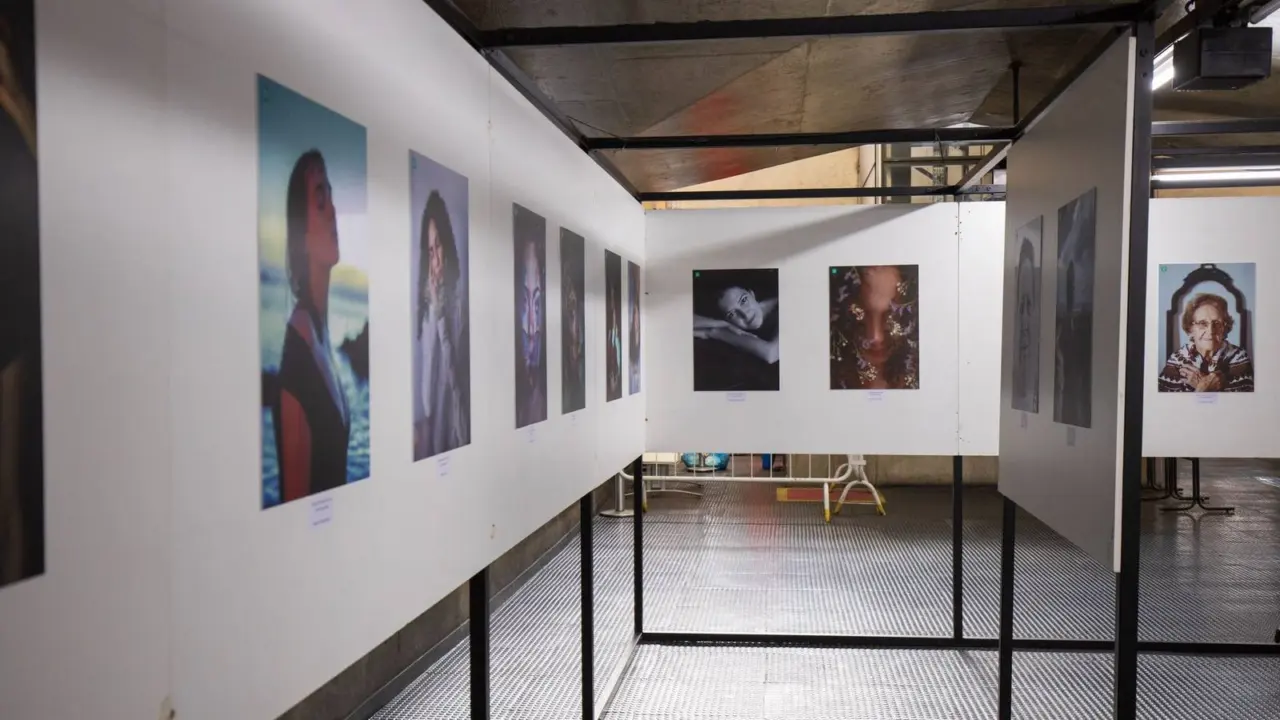
If your work is varied, don’t mix it into one long scroll. The guide advises sorting pieces into categories, such as characters and environments, so viewers find what they want quickly.
- Lead with your strongest piece.
- Group the rest by category.
- Upload good-quality images, because portfolios are sometimes looked at only for a few short moments.
- Add an artist statement, a short biography and contact details.
Choose a hosting platform that lets you customise the look easily, so the site never competes with the art. Neutral backgrounds, consistent image sizes and simple navigation do most of the work.
Image quality deserves attention. Export at a size that is sharp on a large monitor but loads quickly, and check how the page looks on a phone, since many people will open a link on one.
What mistakes weaken a portfolio?
Most weak portfolios fail in predictable ways. Knowing them helps you edit your own.
- Padding: including filler to reach a number instead of stopping when the good work runs out.
- Inconsistent quality: one outstanding piece next to several rushed ones.
- No clear target: a mix so random that a reviewer cannot tell what you want to do.
- Hard-to-find contact details: if people like the work, they should not have to hunt for a way to reach you.
- Stale work: older pieces that no longer represent your current ability.
Copied or traced work is a more serious problem. Use your own designs and reference responsibly, and be clear about anything that was a study or a fan piece.
How do you keep improving it over time?
A portfolio is the main proof of skill, and it keeps changing as you improve. Review it on a schedule, replace older pieces with stronger ones, and revisit how to become a concept artist for the wider picture of skills to build.
Each time you finish a project, ask a simple question: is this better than the weakest piece currently shown? If yes, swap it in. If no, keep it in a sketchbook and move on.
Feedback helps most when it is specific. Ask reviewers what they think you are good at after a quick look, because that tells you whether your range is coming across the way you intended.
Finally, keep a private archive of everything you cut. Work that does not suit one portfolio may suit another, and you can build a tailored version when you aim at a different kind of role. A short, focused selection for each target is easier to review than one oversized collection that tries to please everyone.
Small details also add up: clear titles, a consistent order within each category, and captions that state what the piece was for. These touches show care and save the reviewer time.
Frequently asked questions
How many pieces should a concept art portfolio have?
Show answer
One guide recommends 10-20 carefully selected pieces. Quality matters more than hitting a number.
Should I include sketches?
Show answer
Yes. The guide lists concept sketches alongside character art and environments as part of a diverse portfolio.
Do I need a bio and contact page?
Show answer
The guide advises including an artistic statement, a biography and contact details so people can reach you.
How do I handle varied work?
Show answer
Sort it into categories instead of mixing everything together.